
Decomposers and Critters
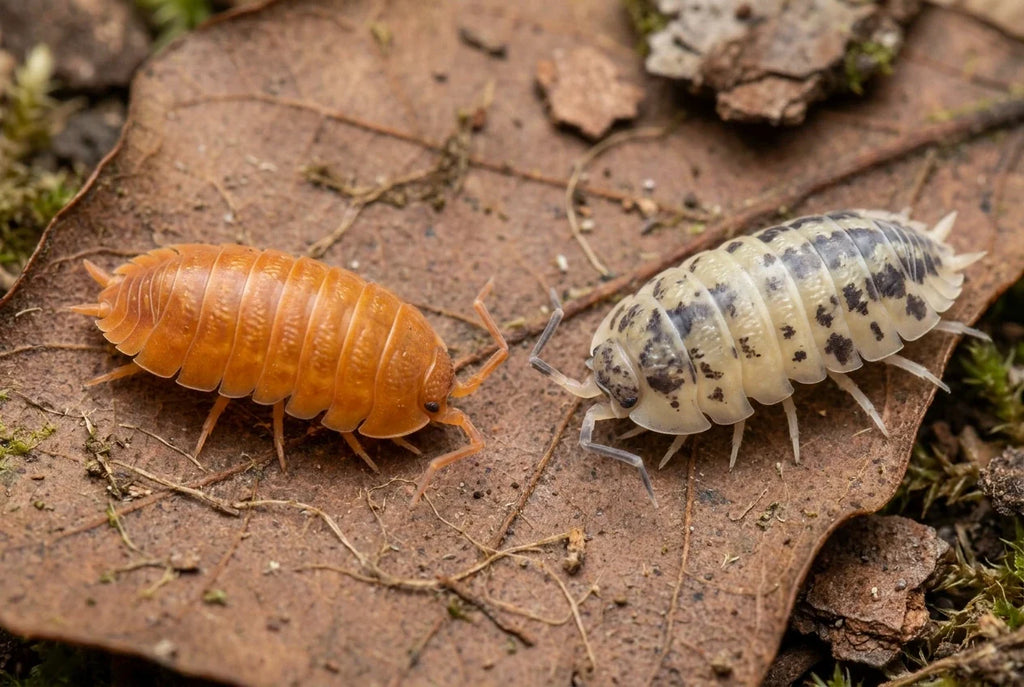
Crossing Isopod Colour Morphs: What Happens When Two Different Colours Breed?
What happens when two different isopod colour morphs are bred together? Explore the surprising results of crossing Orange and Dalmatian Porcellio scaber, and discover why their offspring may look nothing like their parents.
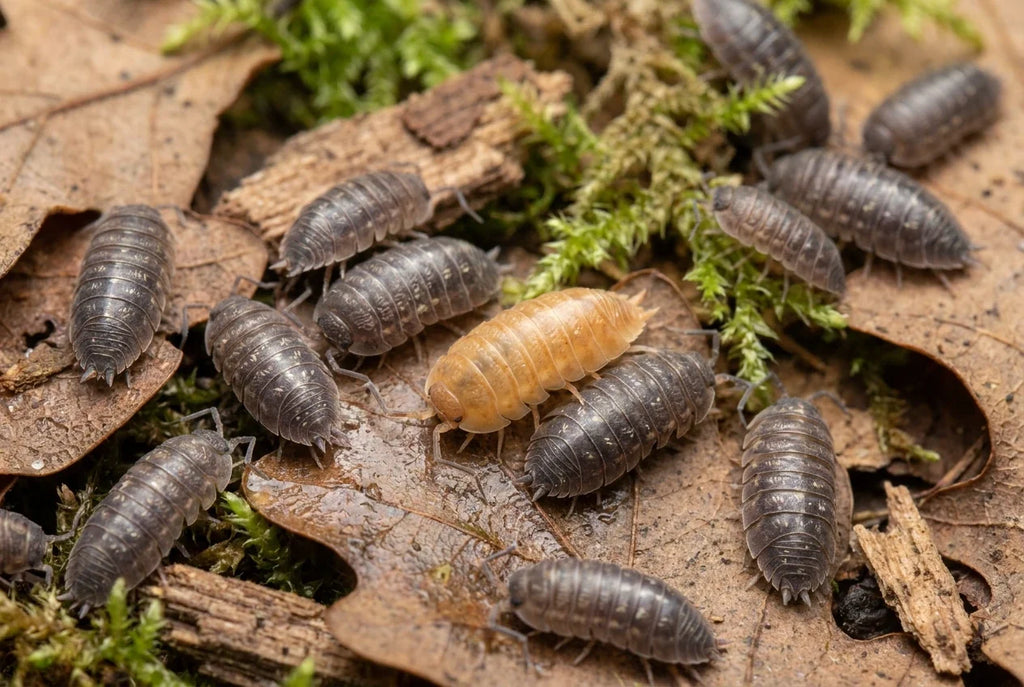
How Isopod Colour Morphs Develop: From One Unusual Isopod to a Breeding Line
Found an isopod with an unusual colour or pattern? Learn how breeders test the trait through F1, F2 and later generations to see whether it can become a breeding line.
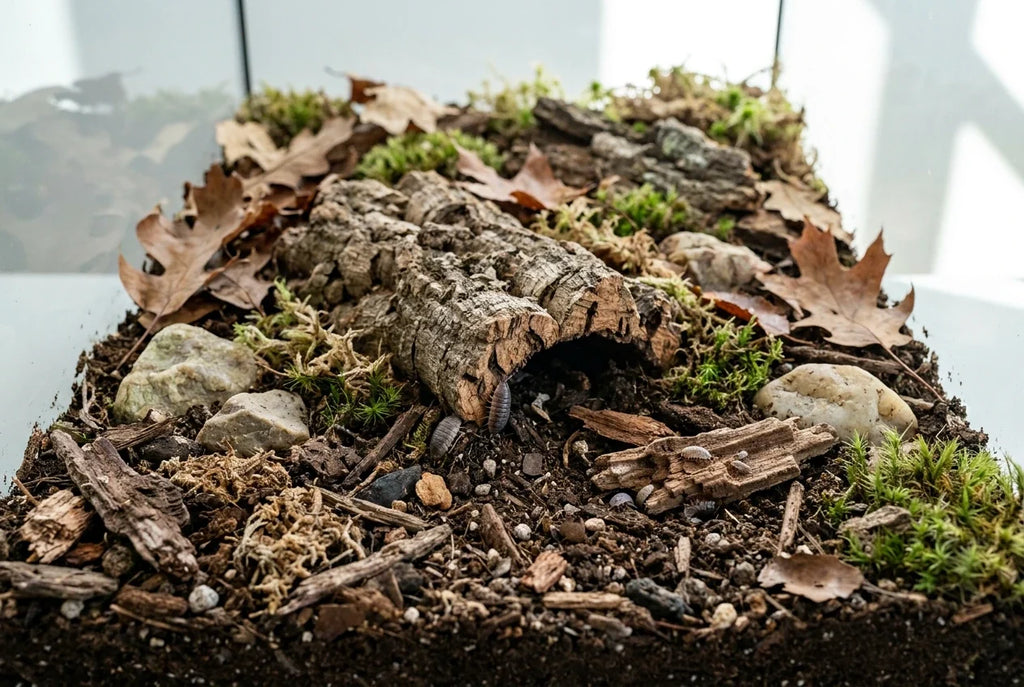
How to Maintain and Upgrade a Mature Isopod Terrarium
Once an isopod colony is established, good husbandry becomes less about setup and more about reading the ecosystem. Learn the signs of a healthy, maturing or deteriorating substrate, when to partially refresh instead of reset, and how activated carbon, mineral amendments and purpose-based supplementary feeding can fit into a more advanced long-term system.
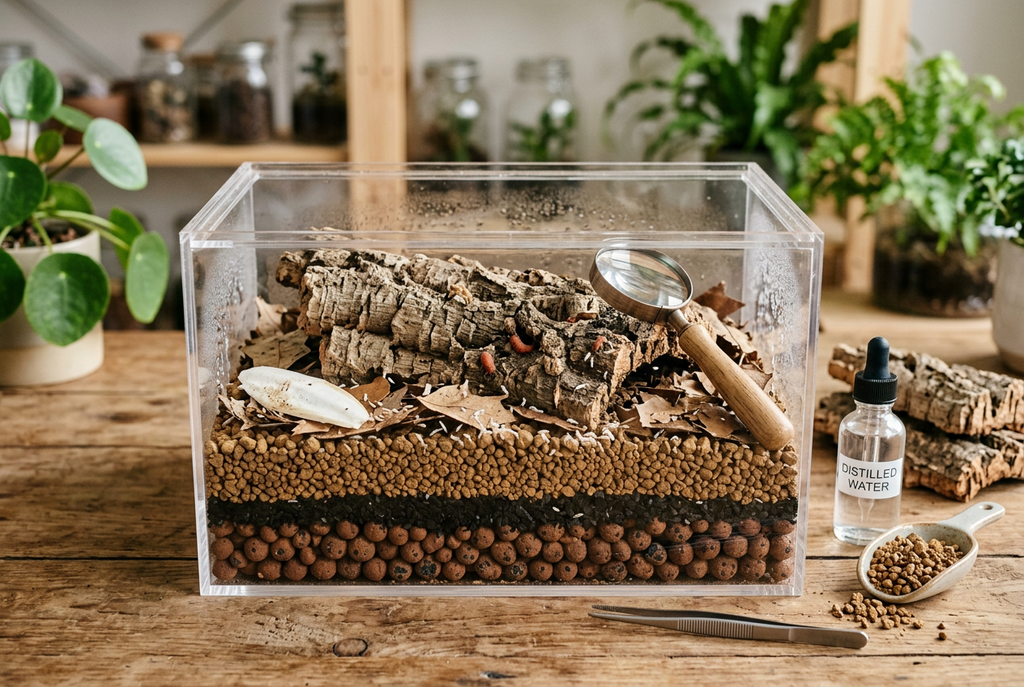
The Science of Micro-Ecosystems: A Guide to Mineral-Based Springtail Culturing
Learn how a professional mineral-based springtail culture works — from drainage physics and humidity control to calcium nutrition and Red Gummy behavioural needs. Discover why many advanced keepers are moving away from traditional soil cultures for a cleaner, more stable, and higher-yield springtail setup.
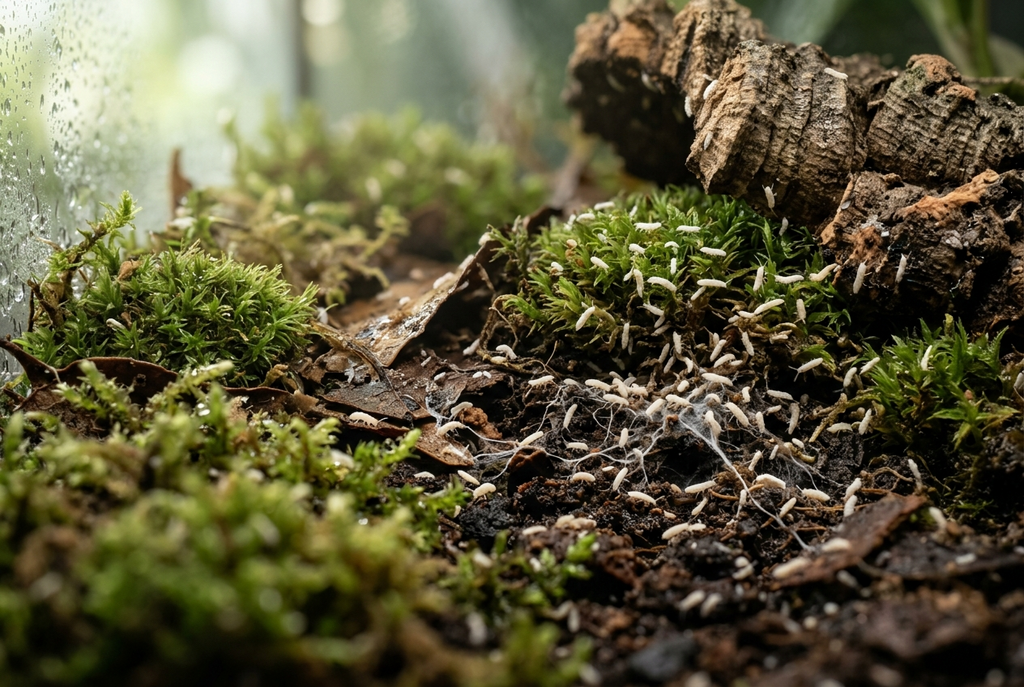
Why Add Springtails to Bioactive Setups?
Springtails may be tiny, but they play a massive role inside a bioactive terrarium. From controlling mold and fungus to improving substrate health, these microscopic clean-up crew organisms help stabilize humid ecosystems and keep tropical setups healthier over time.
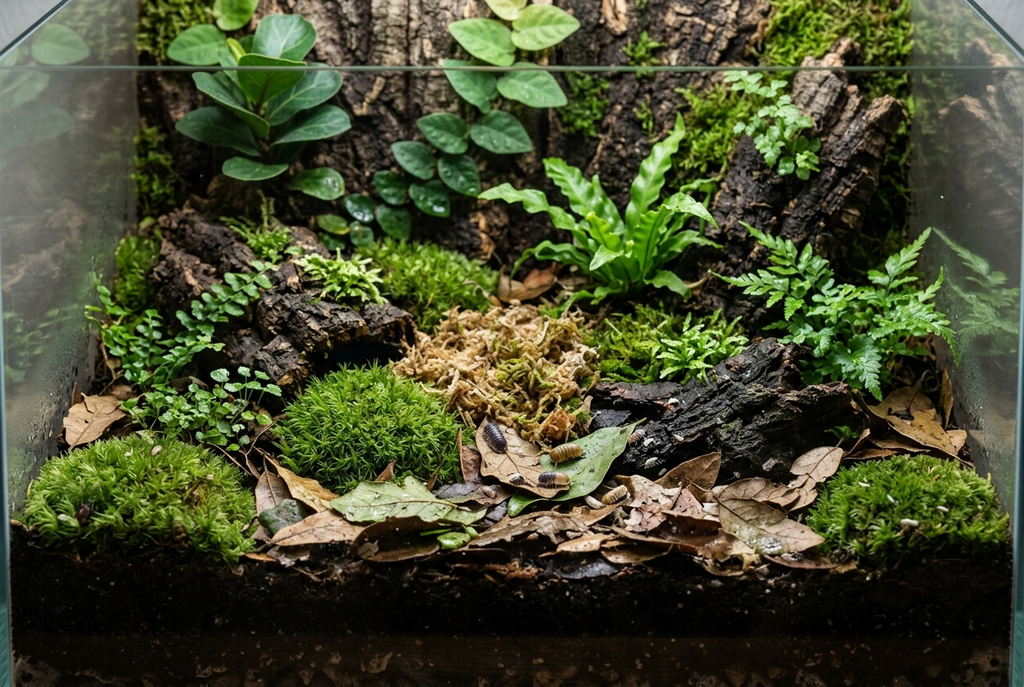
Understanding Humidity Needs in a Bioactive Terrarium
Humidity is one of the most important — and most misunderstood — parts of a bioactive terrarium. Learn how proper moisture balance keeps isopods, springtails, plants, and the entire ecosystem healthy without turning your enclosure into a swamp.
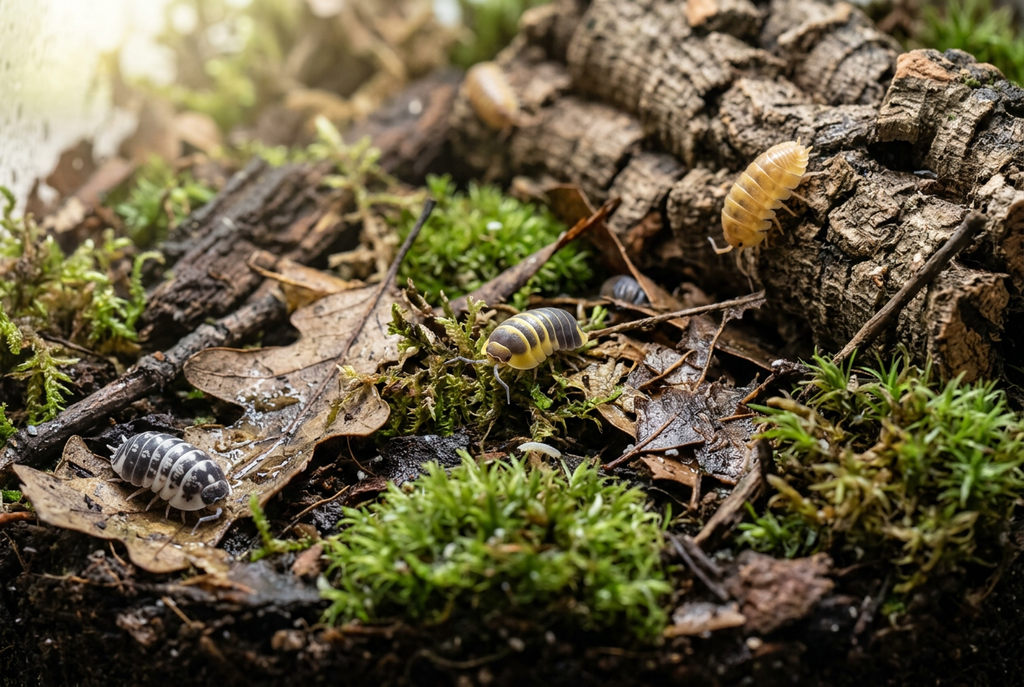
The Roles of Isopods and Springtails in Nature
Isopods and springtails may look tiny, but they perform some of nature’s most important jobs. Learn how these miniature cleanup crews recycle waste, improve soil health, suppress mold, and help ecosystems remain balanced — both in nature and inside bioactive terrariums.
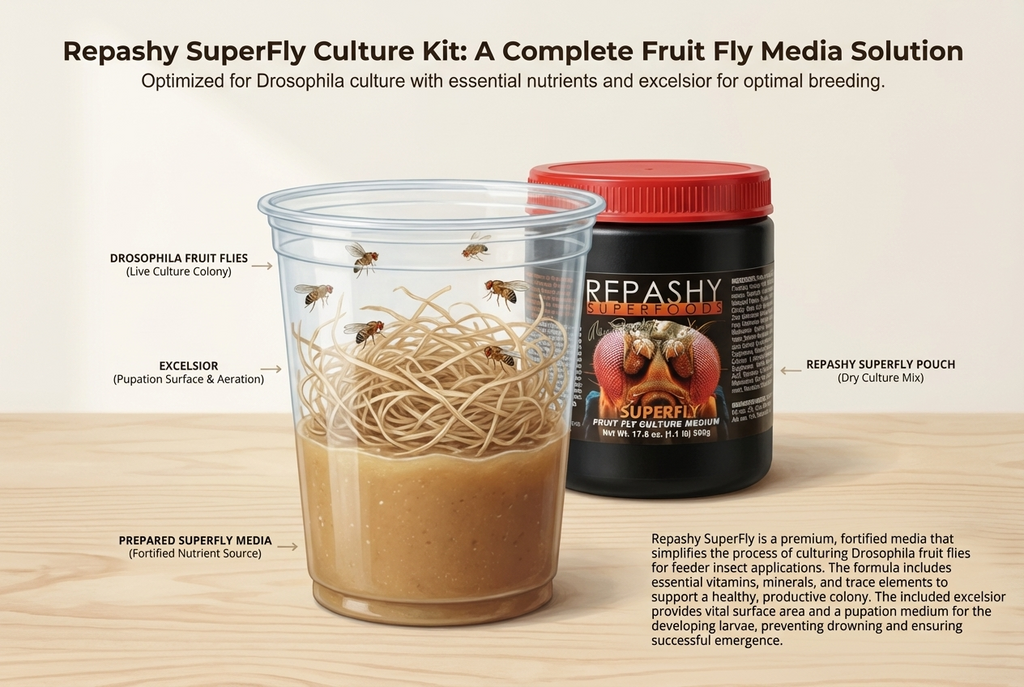
The No-Fail Guide to Fruit Fly Cultures Using Repashy SuperFly
Learn how to build reliable, long-lasting fruit fly cultures using Repashy SuperFly with this simple, step-by-step guide. From perfect mixing ratios to container setup and lifecycle timing, this method helps you avoid common mistakes and maintain consistent production with minimal effort.
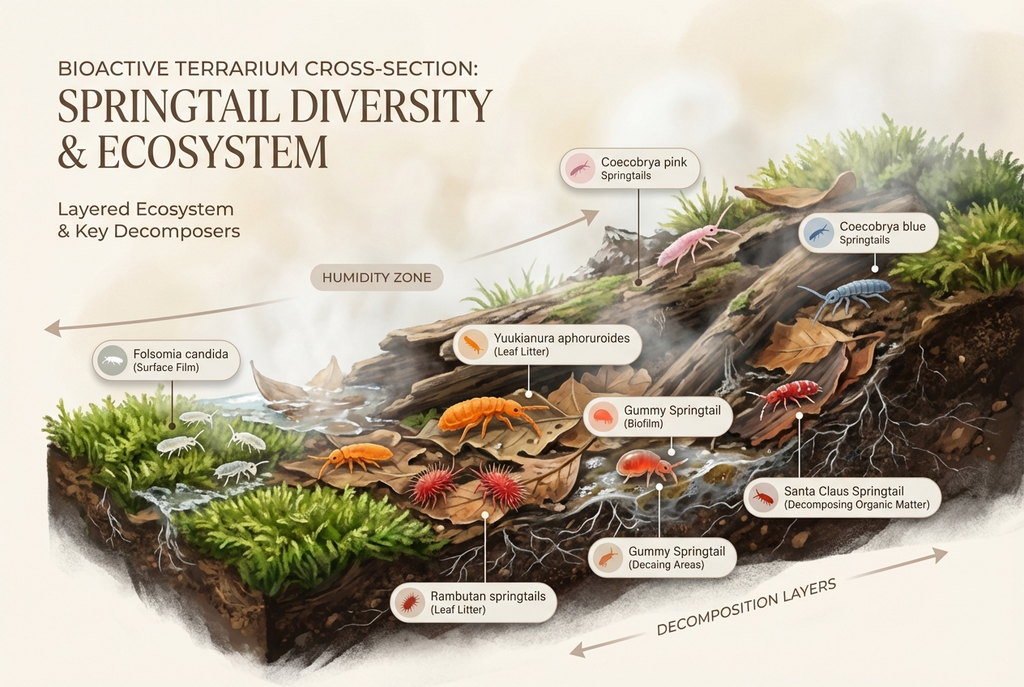
Springtail Species Guide: White, Gummy, Rambutan & Tropical Types — Which One Should You Use?
Not all springtails are created equal. From fast-breeding white springtails to rare gummy and rambutan types, this guide breaks down their differences, feeding behaviour, and how to culture them successfully in bioactive terrariums.
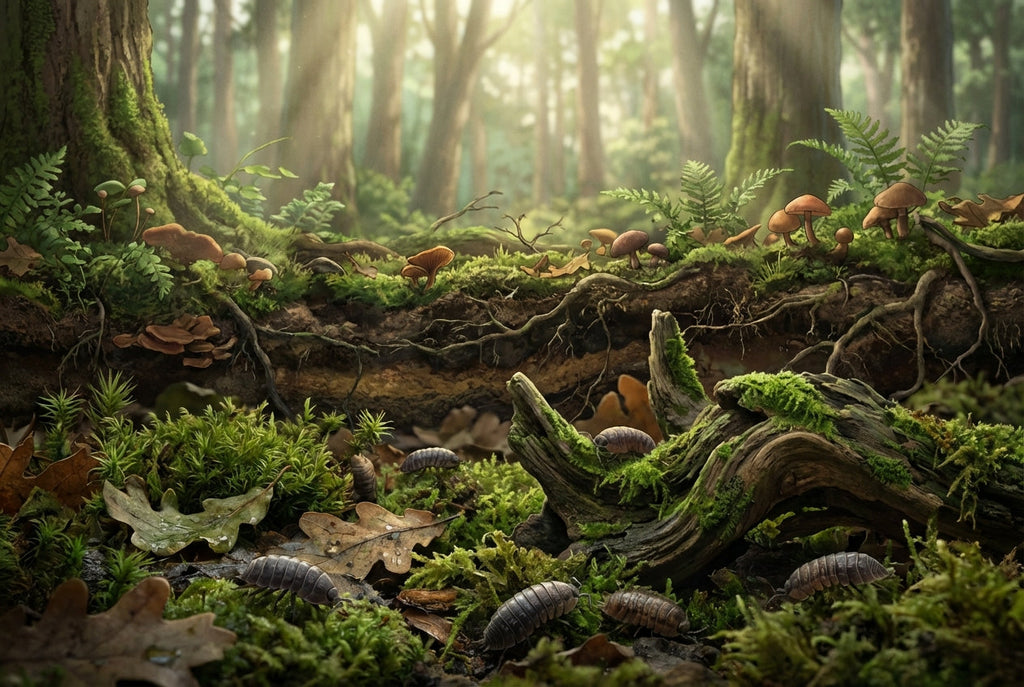
What Are the Main Groups of Isopods? (Species, Families, Genera & Habitats Explained)
Learn how isopods are grouped by family, genus, and species — and discover how their natural habitats (dry, humid, tropical, or coastal) affect how you should keep them. A practical guide to building thriving terrariums and bioactive setups.
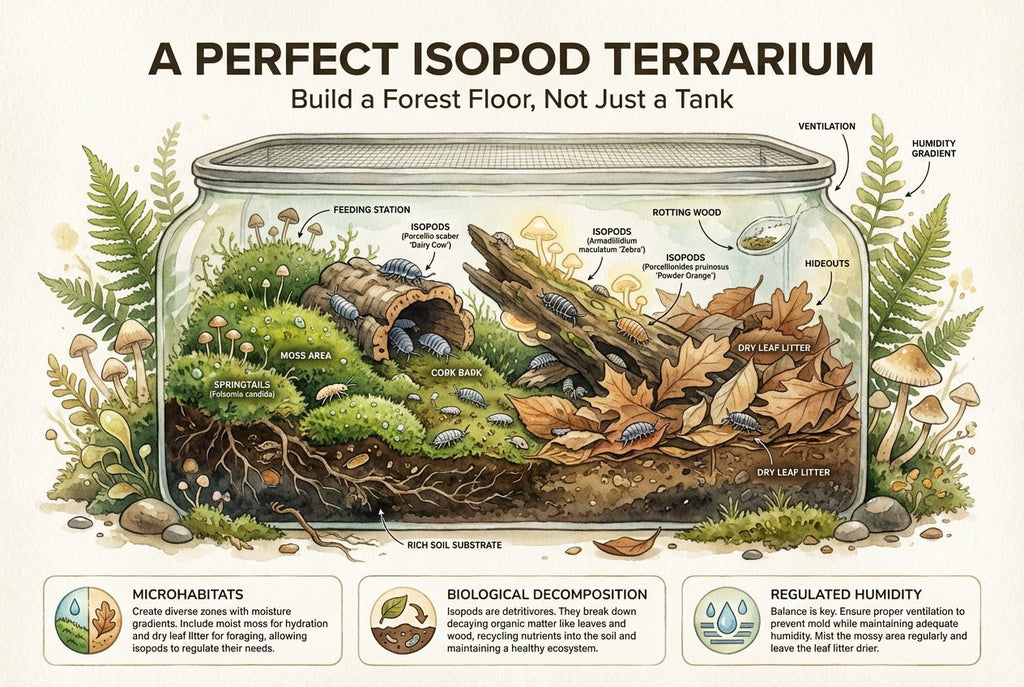
A Perfect Isopod Terrarium Layout
Many beginners think isopods only need soil and food to survive. While they may survive short-term, they will only thrive and reproduce when their environment mimics the forest floor.
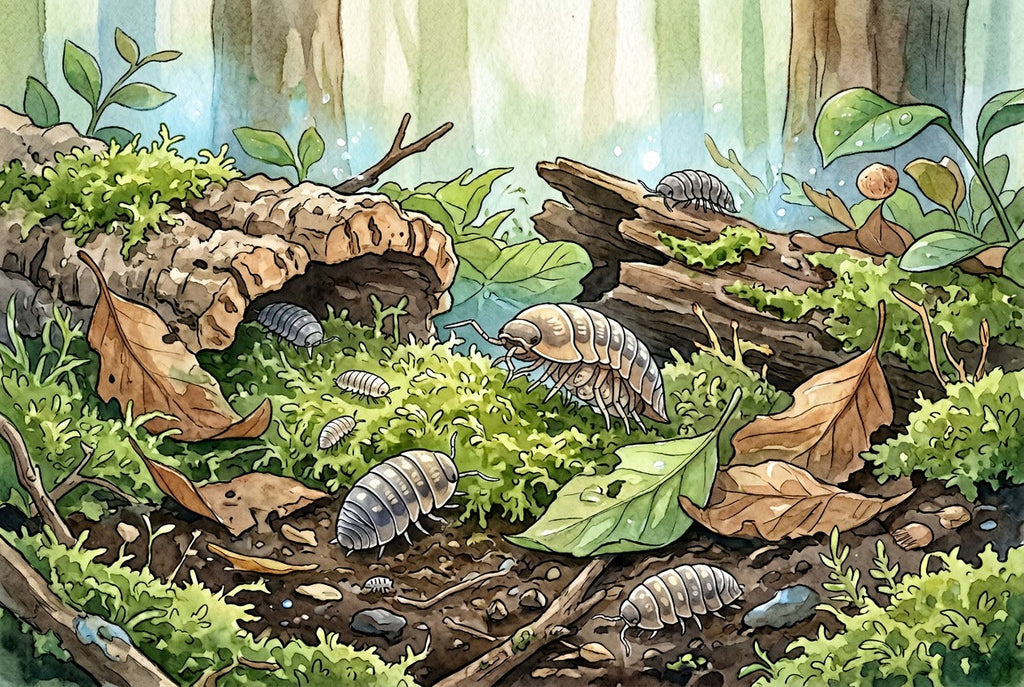
How Do Isopods Breed?
Isopods are one of the most fascinating creatures in a terrarium ecosystem. Unlike insects that lay eggs in soil, isopods carry their young in a specialized brood pouch under their body.
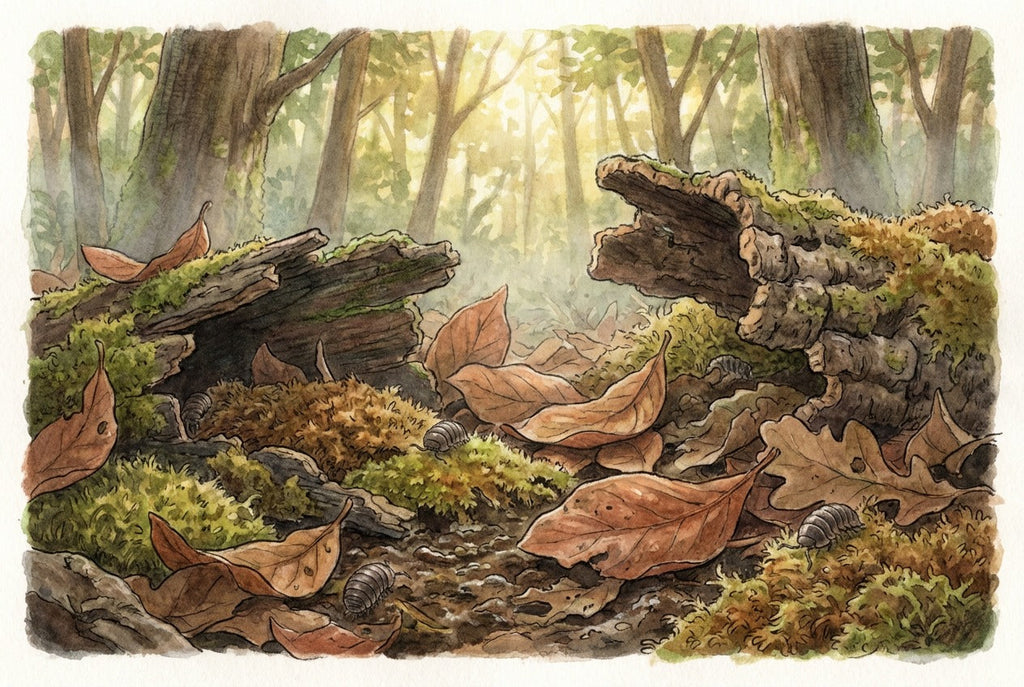
What Do Isopods Eat?
Isopods are often seen as simple terrarium inhabitants, but they play a much bigger role than most people realize.
They are not plant eaters.
They are decomposers — organisms that break down dead material and recycle nutrients back into the ecosystem.
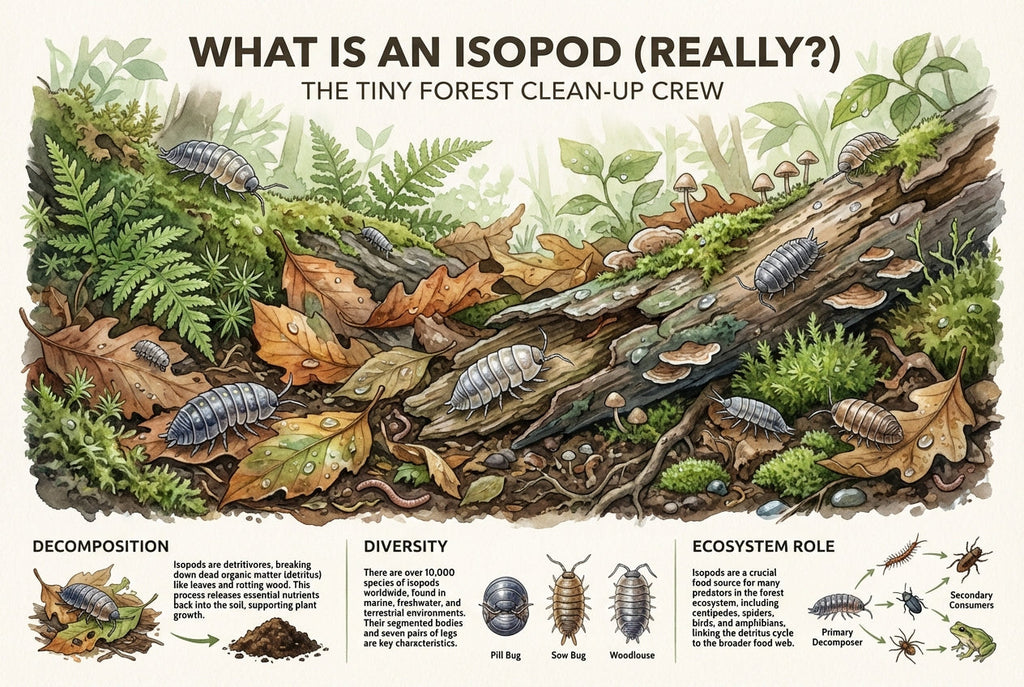
What Is an Isopod (Really?)
Most people see isopods as small grey bugs crawling under leaves or inside terrariums. Some people even think they are pests. But in reality, isopods are one of the most important animals in the natural ecosystem. Without them, forests would slowly fill up with dead leaves, rotting wood, and organic waste.

What is Slime Mold
Slime Mold (Physarum Polycephalum) is a unique, often brightly coloured, single-celled organism known as a protist that act as giant amoebae
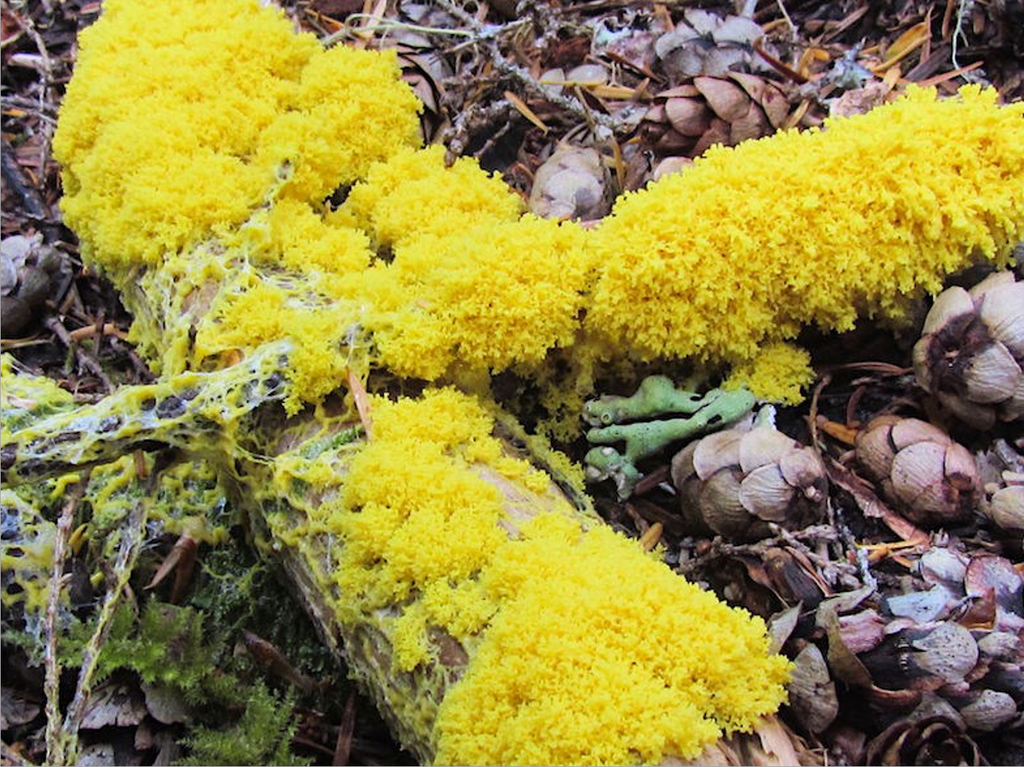
Setting Up My First Slime Mold Habitat
Slime Molds thrive in environments similar to mushrooms and other fungi, preferring damp and dark conditions. As decomposers, they play an important ecological role by breaking down dead plants, animals, and organic waste into simpler nutrients, enriching the soil and improving compost quality for plant growth.

Creating Tiny Ecosystems: How Isopod and Ant Workshops Are Perfect for Kids
When given the right tools and environment, children can become curious explorers of even the smallest ecosystems. Isopod and ant workshops are unique experiences that let kids dive into the miniature world of bugs, soil, and self-contained biospheres. At our kids workshop in Singapore,


