
Terrarium Design and Techniques
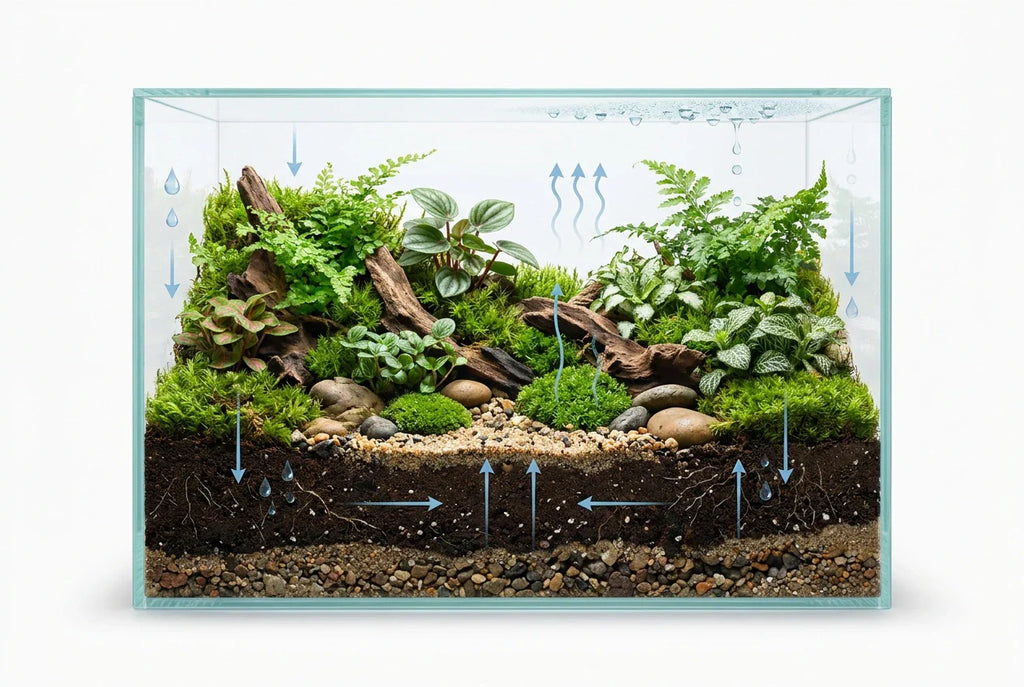
How Water Really Moves Inside Your Terrarium
Most people think water simply drains through the substrate after watering a terrarium. The truth is much more interesting. Water is constantly moving through tiny spaces between the substrate particles. Some of it drains down, some moves sideways, and some even climbs back up. Understanding these hidden movements will help you build healthier, more stable terrariums.
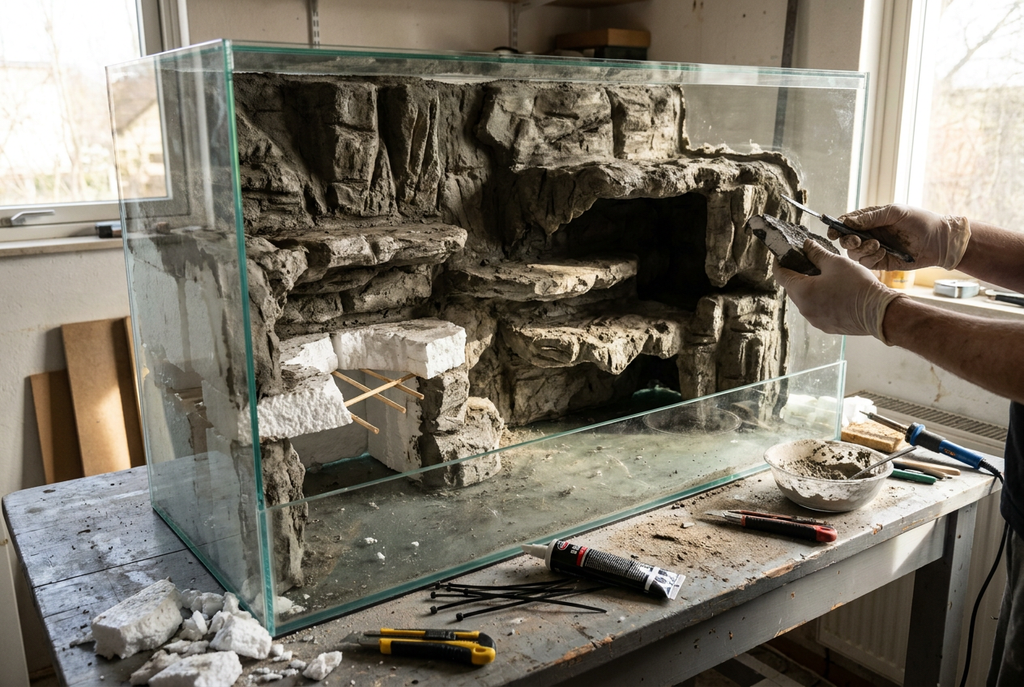
Building a Fake Boulder Background
A behind-the-scenes workshop-style guide to building a massive fake boulder background using packing foam, cement, and simple DIY materials. This long-form experimental build explores lightweight canyon walls, hidden support tricks, fake rock textures, and how hobbyists create dramatic hardscape layouts without loading dangerous weight onto glass tanks.
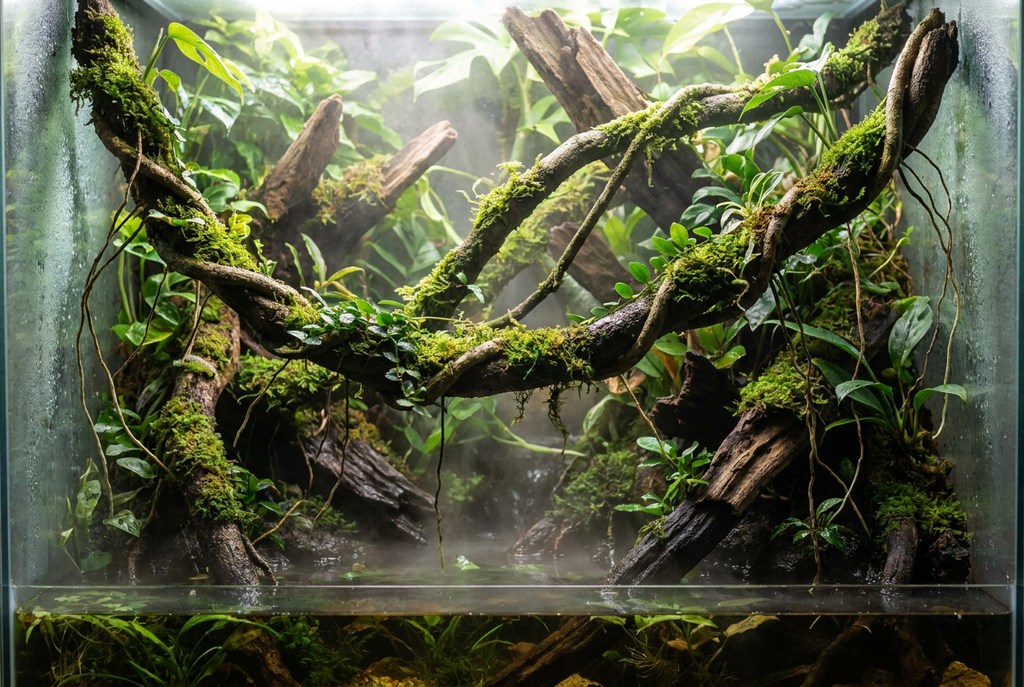
DIY Living Liana Vines — Building Realistic Jungle Structures for Terrariums & Paludariums
Learn how to build realistic living jungle lianas for terrariums and paludariums using affordable DIY materials like Hygrolon, rope, silicone, moss, and climbing plants. Discover the science behind capillary watering, moisture balance, bark texturing, fogging, and plant attachment while creating living rainforest structures that evolve over time.
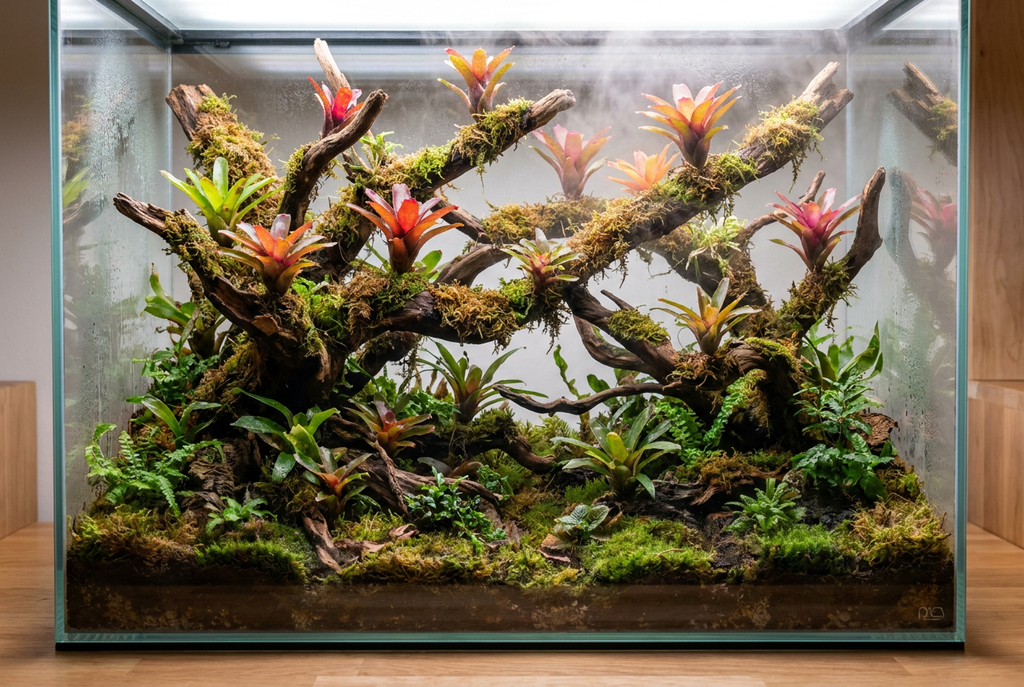
How To Grow Bromeliads In Terrariums Successfully
Bromeliads are one of the most striking plants you can grow inside a terrarium — but they are also one of the easiest to accidentally rot. This guide explains how bromeliads actually grow in nature, why mounting matters, how misting and airflow affect them, and how to successfully keep them thriving in humid terrarium and paludarium environments.
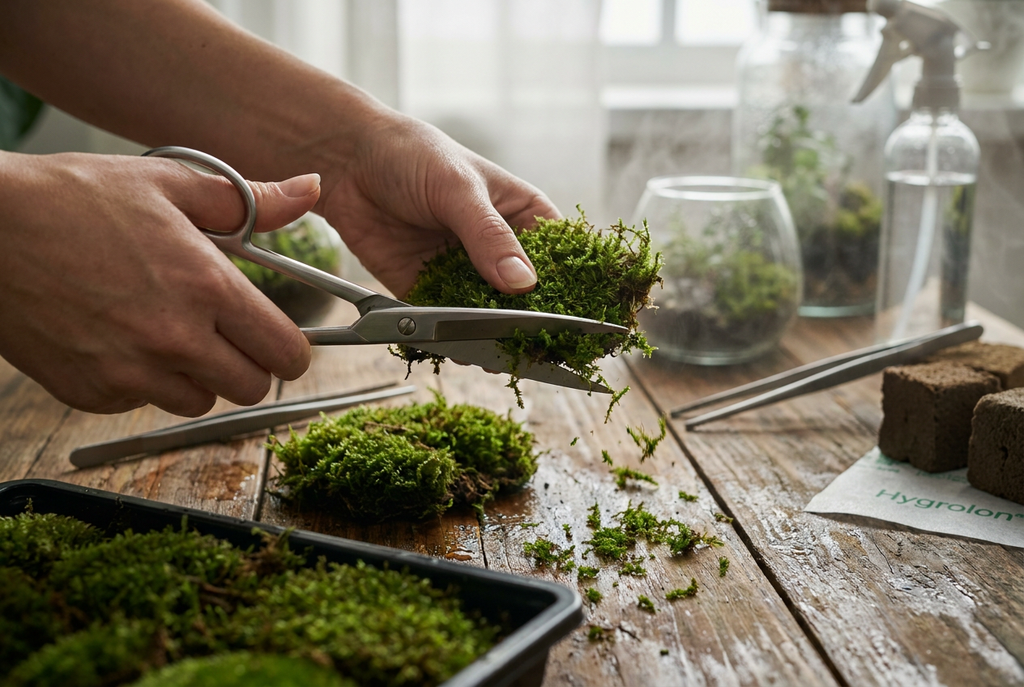
You Can Chop Up Moss — And Grow an Entire Moss Wall
Did you know you can chop up live moss and grow an entire moss wall from it? This traditional Japanese technique, known as Maki-goke, inspired modern terrarium and paludarium hobbyists to create living moss carpets, vertical moss walls, and humid rainforest-style ecosystems using tiny moss fragments, hygrolon, peat clay, and patience. Learn the history behind the method, how it works, and how to experiment with it at home.
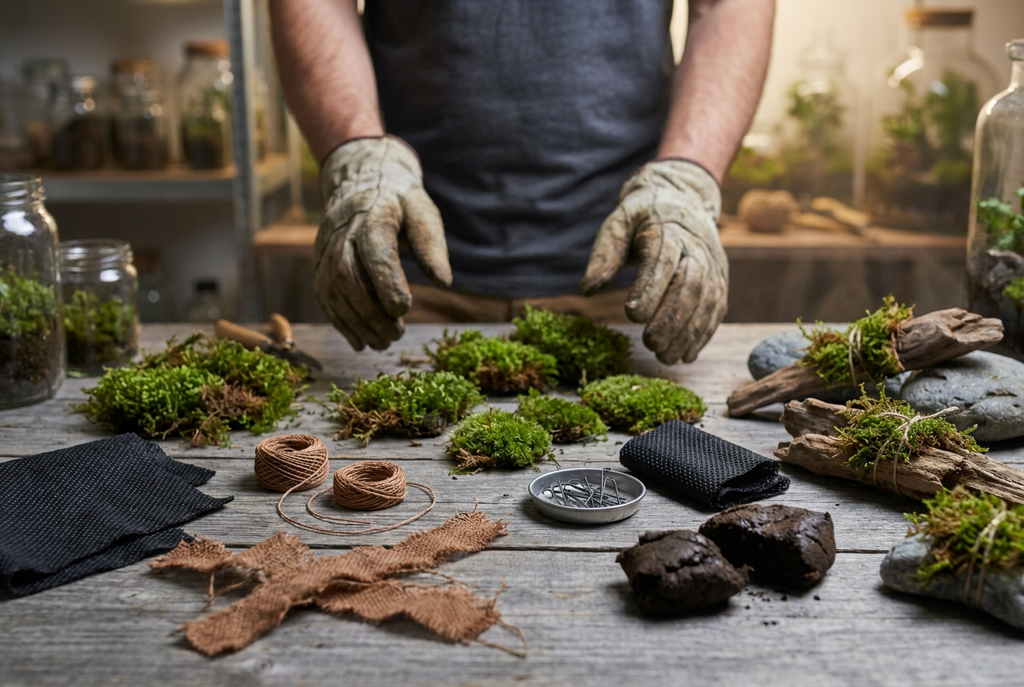
Moss Attachment Methods for Terrariums & Paludariums
Different terrarium and paludarium environments require different moss attachment methods. Learn how hobbyists secure moss onto wood, stone, foam walls, and humid backgrounds using moss cotton, moisture-wicking materials, GeoPins, and peat clay systems.
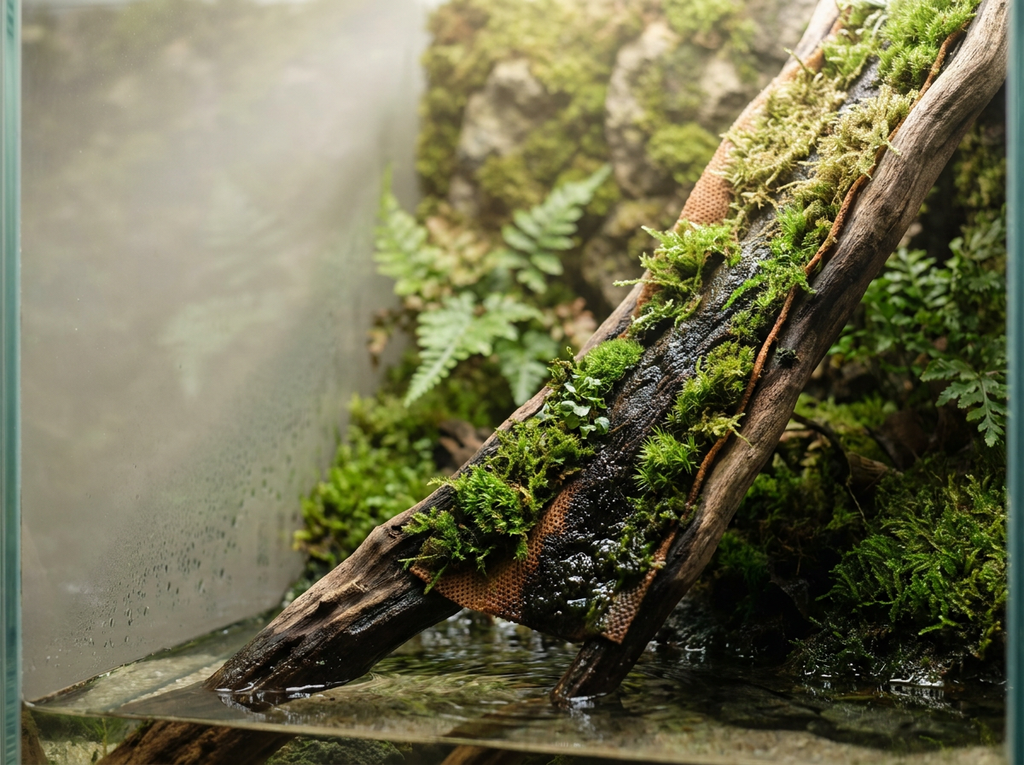
Why Moss Thrives Along Moisture Paths in Paludariums
In nature, moss rarely grows in completely dry places or fully submerged conditions. Instead, it often appears along stream edges, waterfall walls, wet roots, and humid transition zones where moisture slowly travels across surfaces. Understanding how water moves through these environments helps explain how hobbyists create living moss walls, humid branch systems, and emersed moss growth inside paludariums and habitat terrariums.


