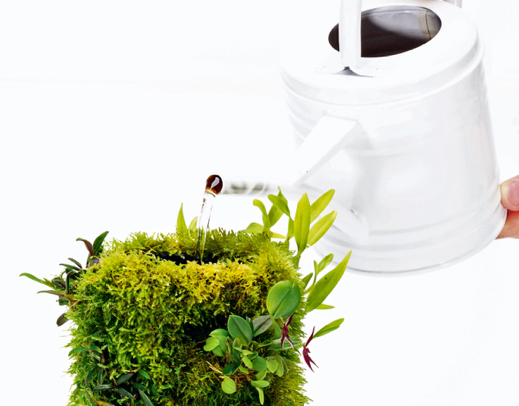
Closed Terrarium, Design & Care
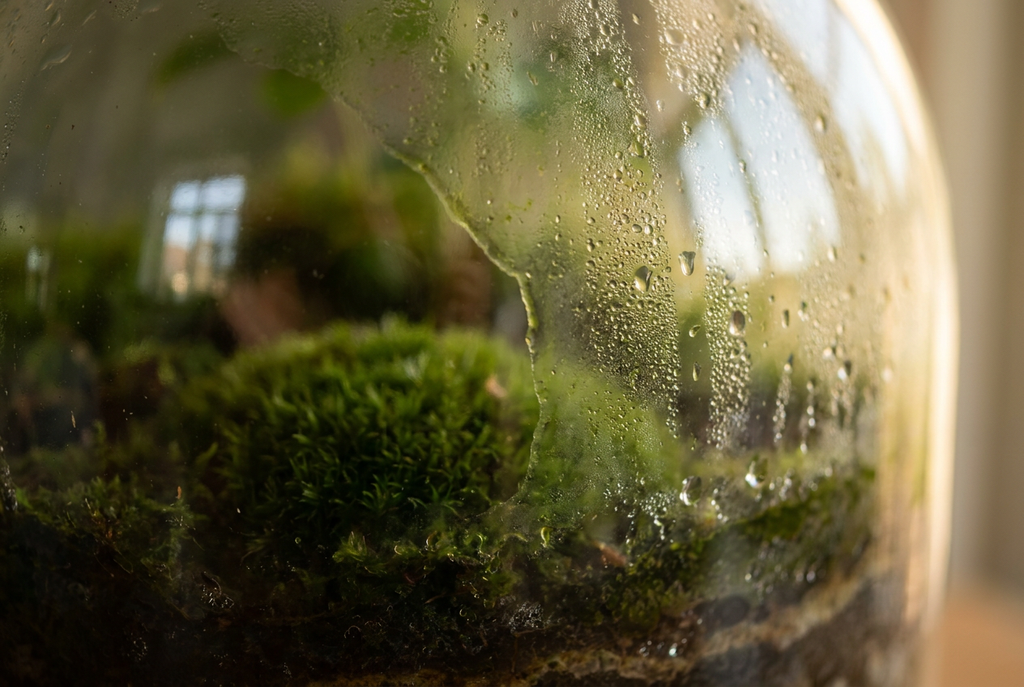
Why Algae Appears on Terrarium Glass
Green algae on terrarium glass is one of the most common issues beginners encounter in closed terrariums. While it usually does not harm your plants directly, it often signals excess light, trapped moisture, stagnant airflow, or nutrient imbalance inside the ecosystem. Understanding why algae appears — and how to stabilize the terrarium environment properly — is the real key to maintaining long-term clarity and balance.
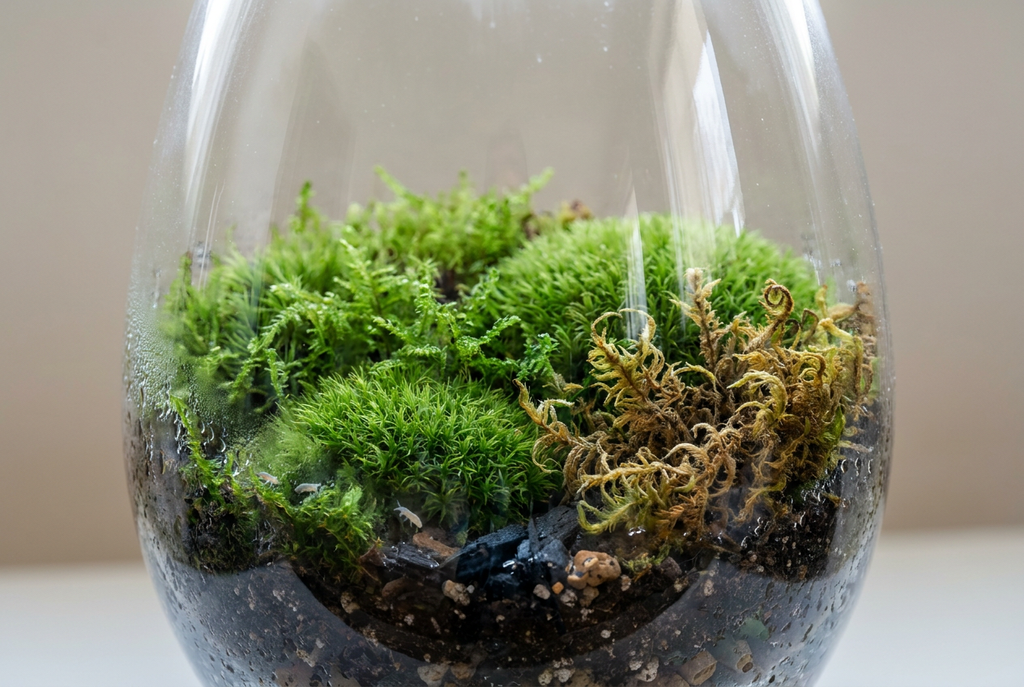
Why Is My Moss Turning Brown? Understanding What Your Closed Terrarium Is Trying To Tell You
Brown moss is one of the most common closed terrarium problems beginners face. It does not always mean the terrarium is too dry. Moss can turn brown because of heat, stagnant moisture, poor airflow, harsh lighting, unsuitable water, or natural decay inside an unbalanced sealed ecosystem.
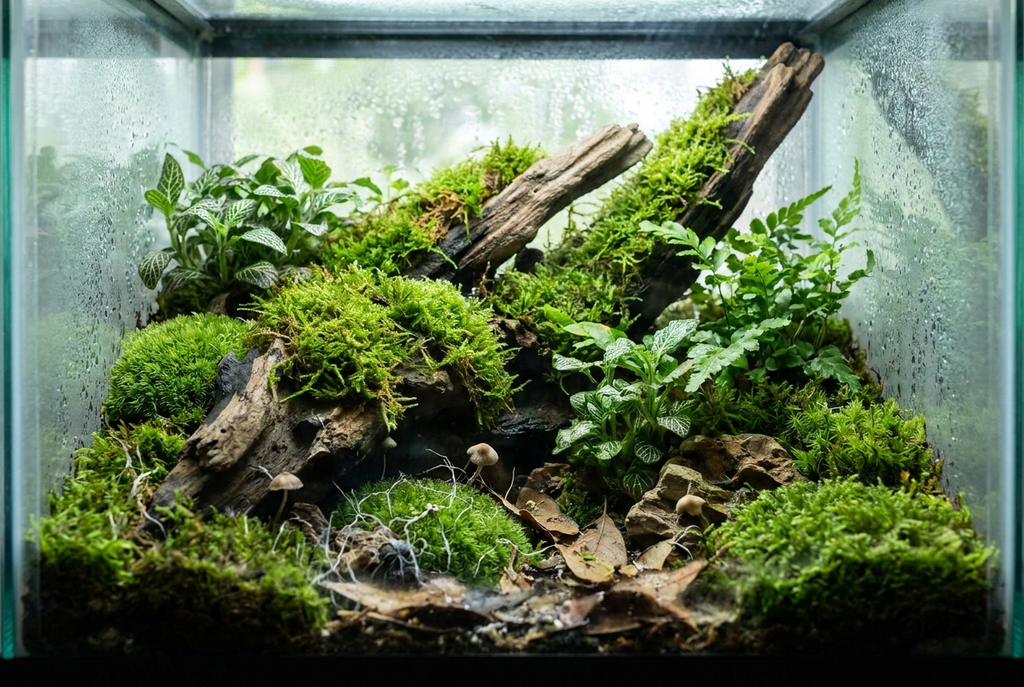
My Terrarium Is Foggy But The Moss Keeps Drying
Your terrarium looks humid and foggy, but the moss is still turning brown and crispy. This beginner guide explains why it happens, what condensation actually means, and how to fix common moss problems in sealed terrariums.
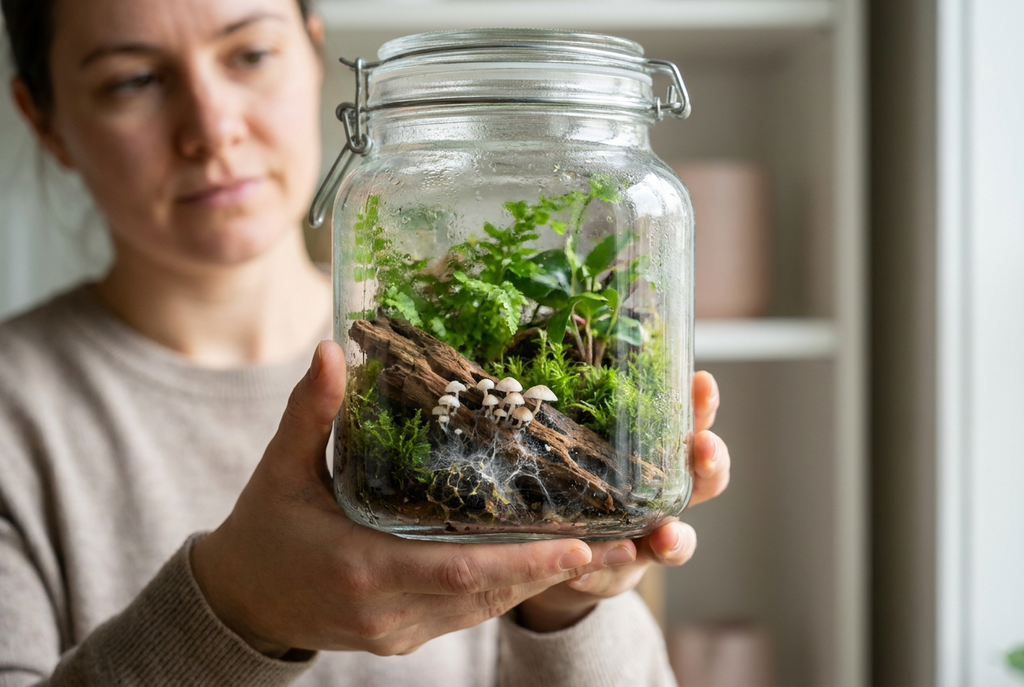
Why Mushrooms And Mold Grow In Terrariums
New terrarium hobbyists are often shocked when white mold or tiny mushrooms suddenly appear inside a healthy-looking setup. In reality, fungi are one of the earliest signs that a terrarium is becoming a living ecosystem. This guide explains why fungus appears, what is normal, what is dangerous, and how to manage fungal growth without panicking or destroying your terrarium balance.
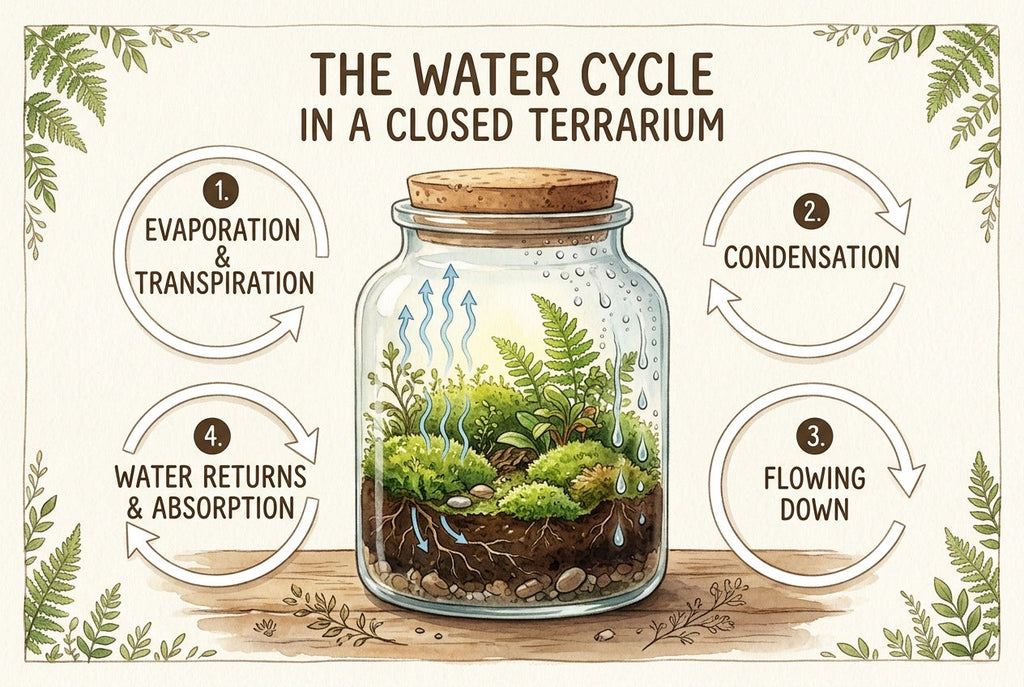
Understanding the Water Cycle Inside a Closed Terrarium
Understanding how moisture moves inside a closed terrarium is key to keeping it stable. Learn how evaporation, condensation, and reabsorption work together, and how to read the signs of a balanced environment.
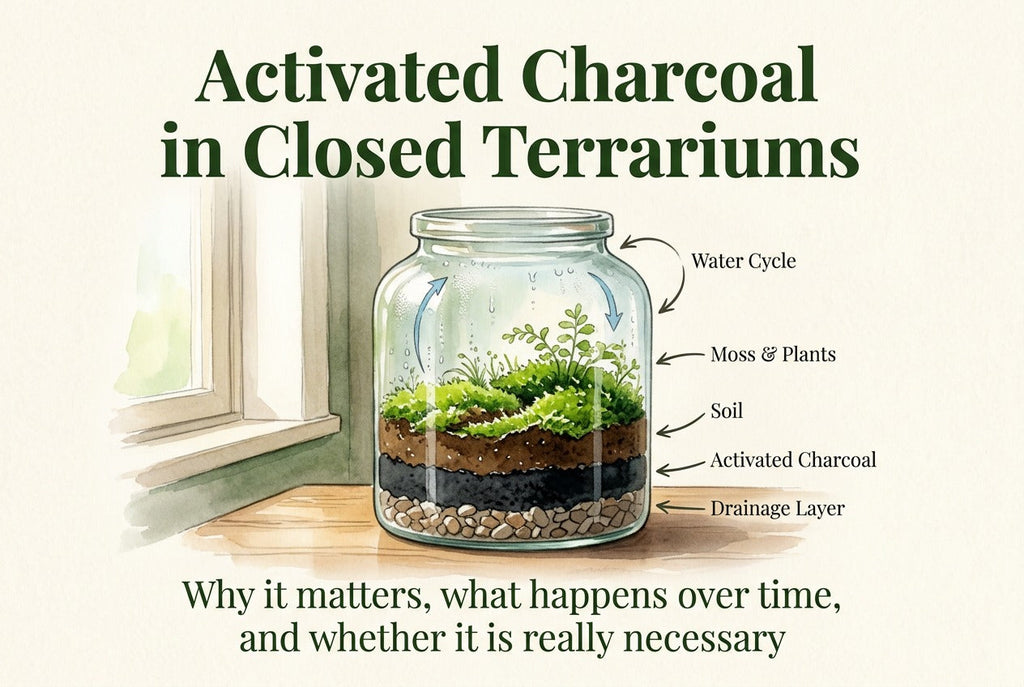
Activated Charcoal in Closed Terrariums — What Happens Over Time?
Activated charcoal is one of the most commonly recommended layers in a closed terrarium. It helps keep the environment clean, reduces odor, and improves stability — especially in the early stages
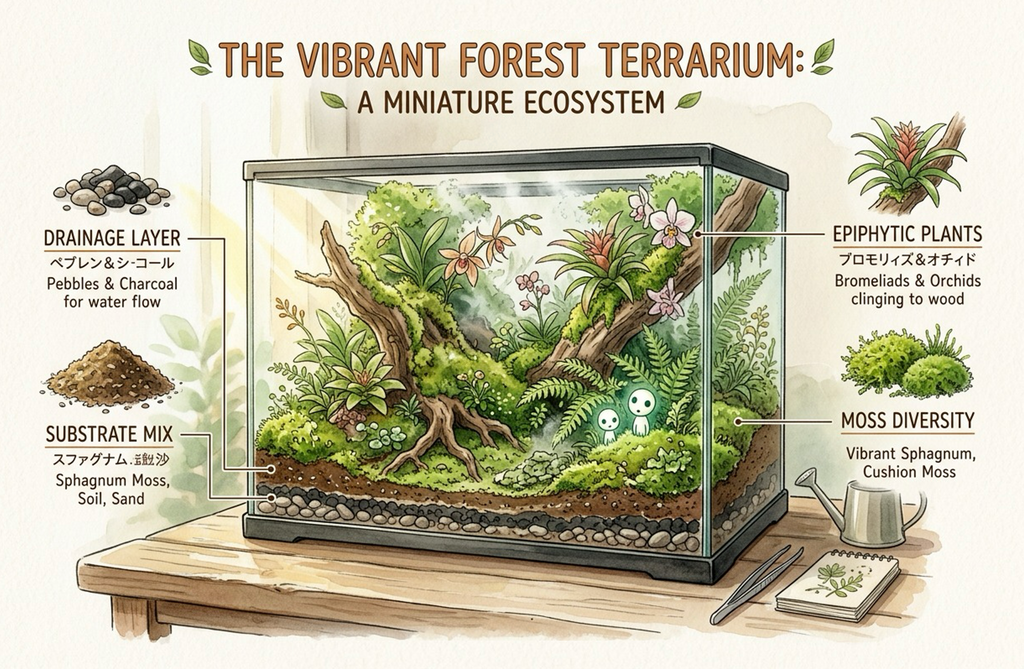
Why Moss Dies in Terrariums (And How Foggers Fix It)
Many people believe moss is an easy plant to grow in a terrarium. You place it on soil, spray some water, and it should stay green. But after a few weeks, the moss turns brown, dry, and crispy. What went wrong?
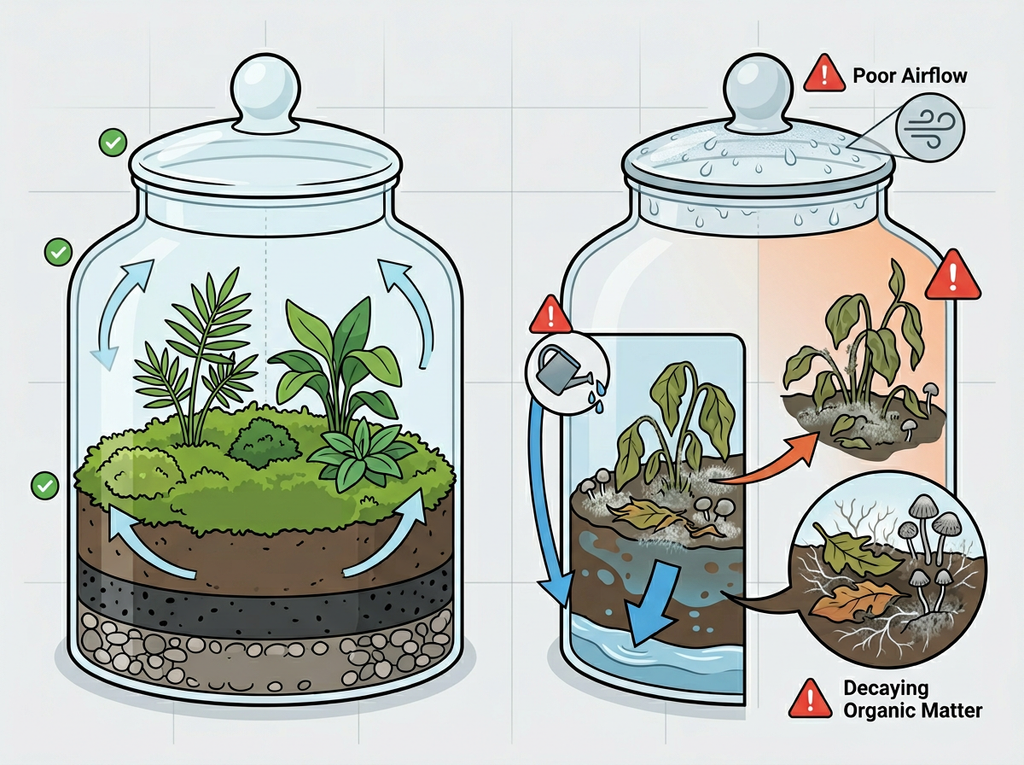
Why Fungus and Mold Grow in My Terrarium
If you see white fuzzy mold, web-like fungus, or small mushrooms growing in your terrarium — don’t panic. This is actually very common, especially in newly built terrariums.
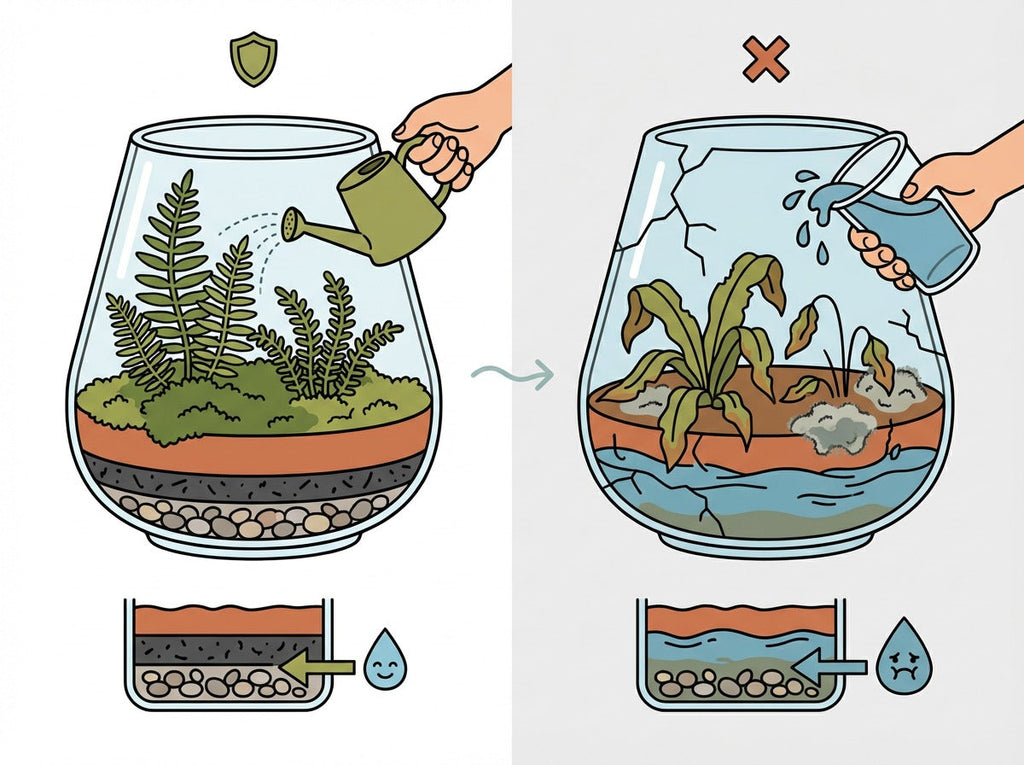
Excess Water in Terrariums
One of the most common terrarium problems is also one of the hardest to reverse: excess water.
Once water starts pooling beneath the soil, roots remain too wet, airflow drops, and the entire system can drift toward rot, mold, and imbalance.
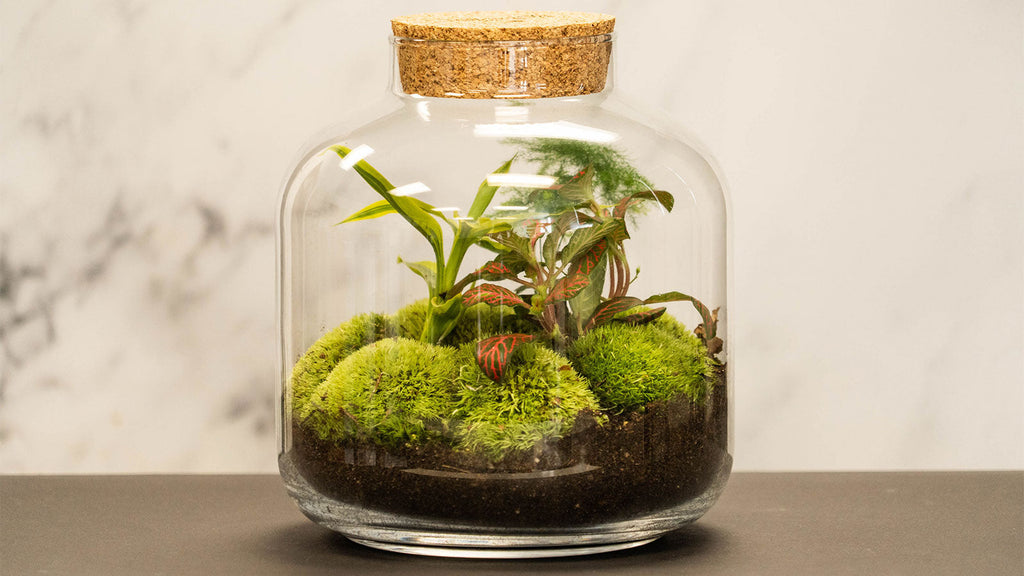
Terrariums Explained: How Does a Self-Sustaining Ecosystem Work?
A self-sustaining terrarium is a miniature ecosystem that thrives with minimal intervention. By balancing plants, water, air, and microorganisms, it can survive for years with little to no maintenance. But how does this natural cycle work, and what makes a terrarium self-sustaining?