

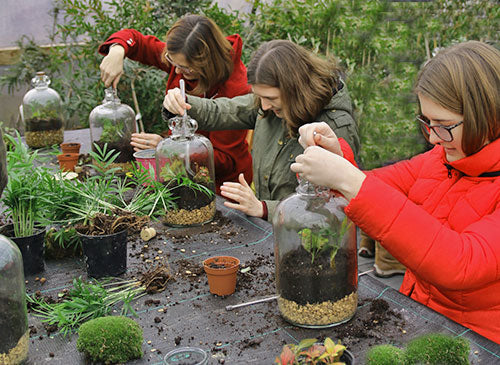
Learning Through Play: How Terrarium and Plant Workshops Promote Kids’ Development
Children are naturally curious about the world around them. When this curiosity is nurtured through play-based learning, the impact on their development can be profound. One exciting and effective way to encourage this growth is through terrarium and plant workshops. These hands-on activities not only stimulate creativity and learning but also help children connect with nature in meaningful ways.

Introducing Kids to the Fascinating World of Plants and Animals Through Workshops
Children are naturally curious. They love to explore, observe, and ask questions. One of the best ways to nurture this curiosity is through workshop activities for kids that involve real, living things—like plants and animals. Whether it’s building a tiny garden in a glass jar or learning about how insects survive in the wild
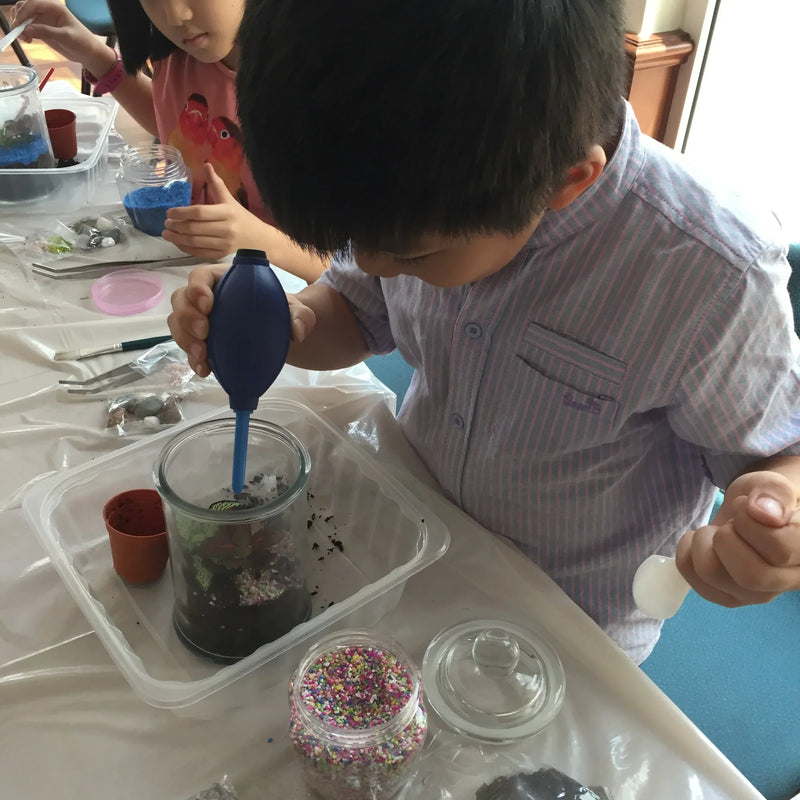
How to Plan the Ultimate Kids’ Birthday Workshop with Green Chapter
Planning a memorable birthday for your child doesn’t have to be stressful or over-the-top. The best parties often blend fun with meaningful experiences. A hands-on birthday workshop is a great way to do that. At Green Chapter, children not only have fun—they explore nature, build something with their own hands, and leave with new knowledge.

How to Maintain and Upgrade a Mature Isopod Terrarium
Once an isopod colony is established, good husbandry becomes less about setup and more about reading the ecosystem. Learn the signs of a healthy, maturing or deteriorating substrate, when to partially refresh instead of reset, and how activated carbon, mineral amendments and purpose-based supplementary feeding can fit into a more advanced long-term system.
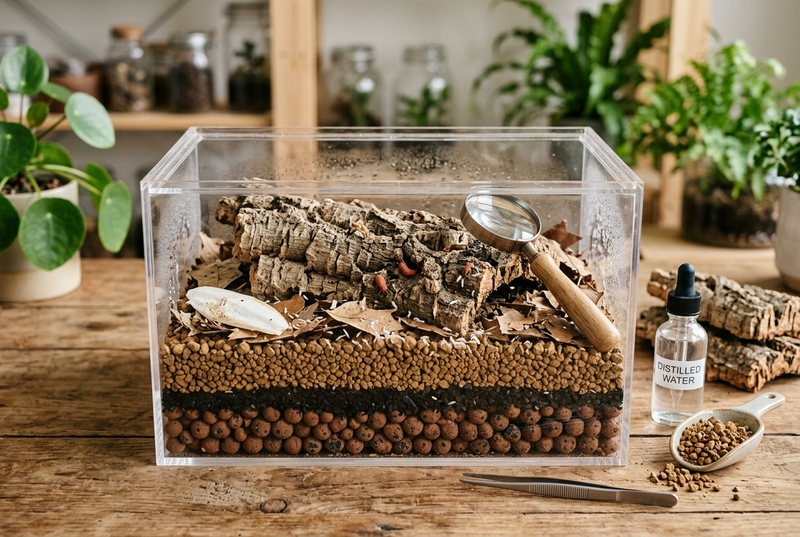
The Science of Micro-Ecosystems: A Guide to Mineral-Based Springtail Culturing
Learn how a professional mineral-based springtail culture works — from drainage physics and humidity control to calcium nutrition and Red Gummy behavioural needs. Discover why many advanced keepers are moving away from traditional soil cultures for a cleaner, more stable, and higher-yield springtail setup.
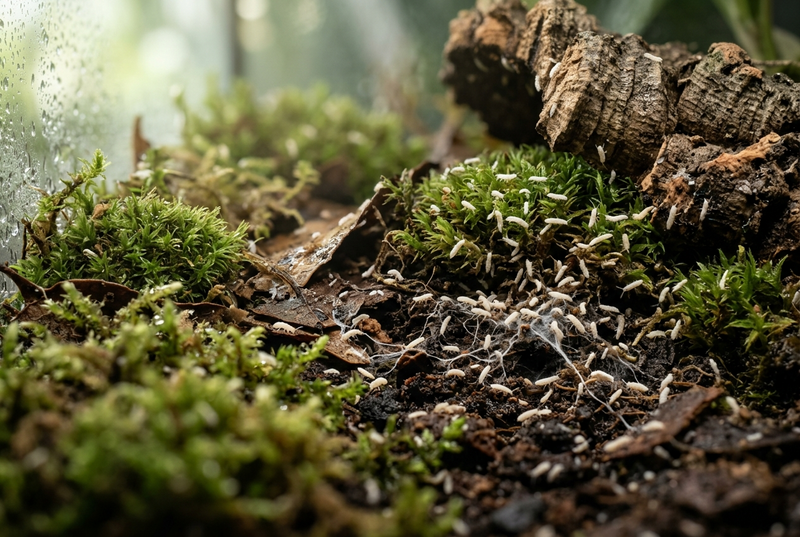
Why Add Springtails to Bioactive Setups?
Springtails may be tiny, but they play a massive role inside a bioactive terrarium. From controlling mold and fungus to improving substrate health, these microscopic clean-up crew organisms help stabilize humid ecosystems and keep tropical setups healthier over time.
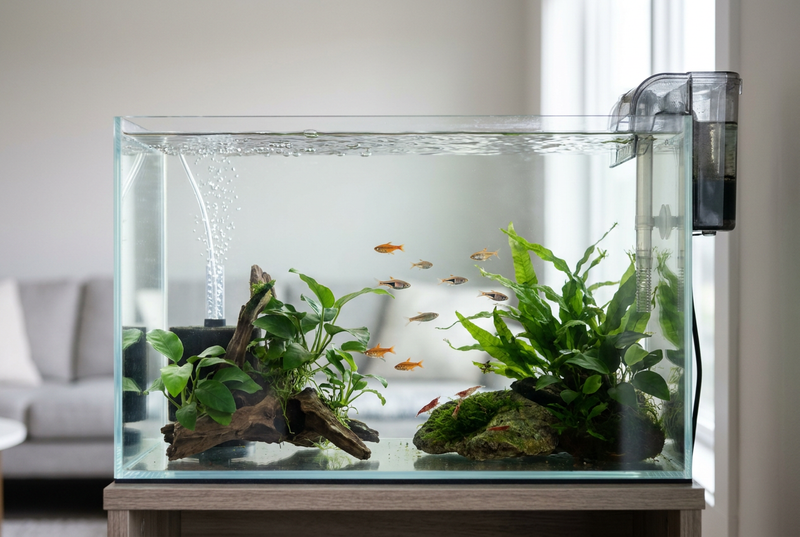
Why Fish Need Aeration in an Aquarium
Learn why aquarium fish need aeration, how oxygen enters water, why filters and surface movement matter, and when air pumps are truly necessary in freshwater aquariums.
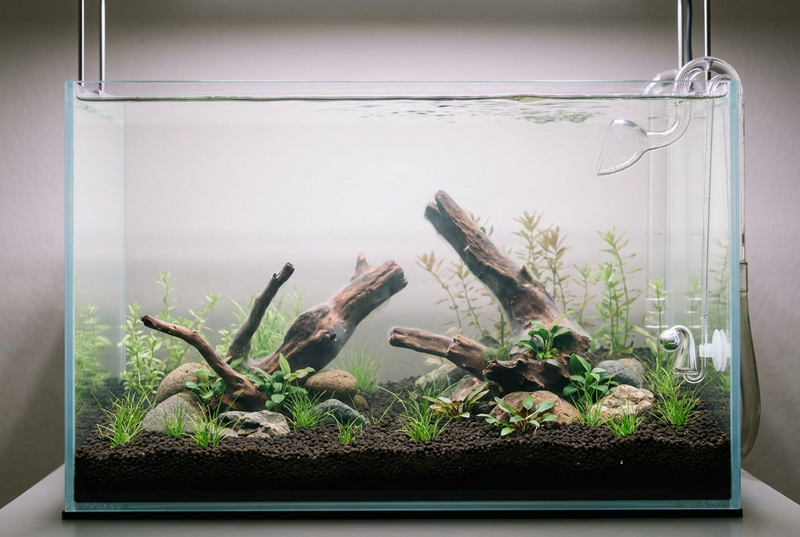
The First Fish, Shrimp & Snails To Add Into a New Planted Aquarium
A newly planted aquarium may already be chemically safe for fish, but experienced aquascapers still introduce livestock gradually. Different animals enter a new aquarium at different stages because each one plays a different role in stabilizing the ecosystem. From snails and Amano shrimp to algae eaters and schooling fish, understanding this progression helps prevent algae outbreaks, livestock losses, and early ecosystem instability.
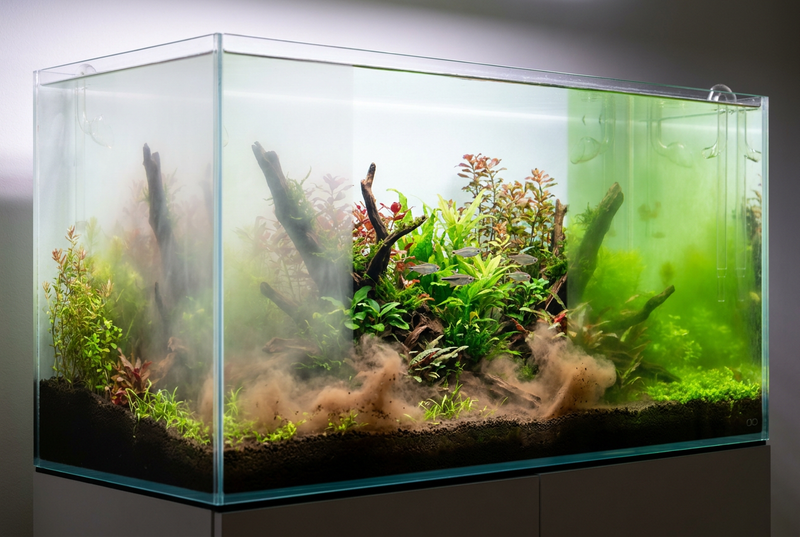
Why Is My Planted Tank Water Cloudy?
Cloudy water in a planted aquarium is not always “dirty water.” In many cases, it is your aquarium ecosystem reacting to biological instability, excess nutrients, disturbed substrate, or changing microbial populations. In this guide, we break down the major types of cloudy aquarium water, what causes them, how to identify them visually, and how to stabilize your planted tank without accidentally making the problem worse.
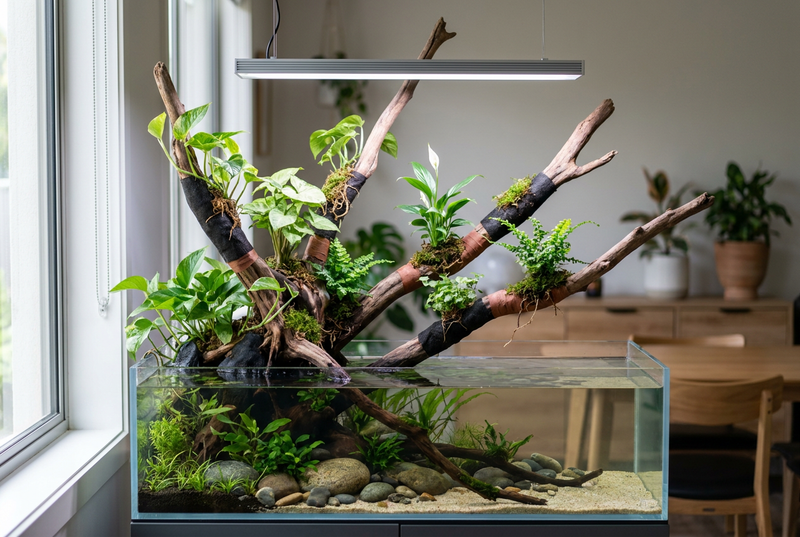
What Makes Ripariums Feel So Different
A riparium sits somewhere between aquarium, flooded forest edge, and botanical display. This exploratory build article looks at how hygrolon, terra tape, driftwood, and controlled moisture systems can turn a calm planted tank into a living above-water ecosystem.
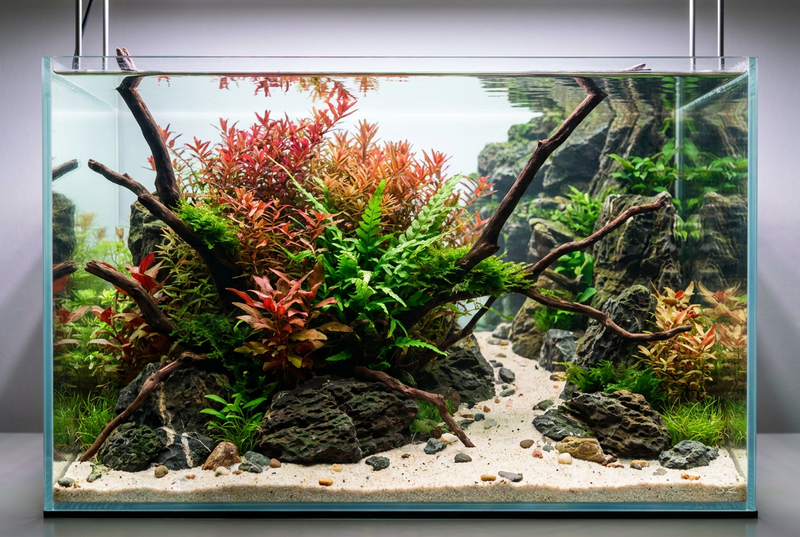
The 60-Minute Masterpiece: Plug-n-Play Scaping with Wabi Kusa
A faster way to create a lush planted tank: combine designed hardscape with ready-grown Wabi Kusa for an instant, plug-n-play aquascape.
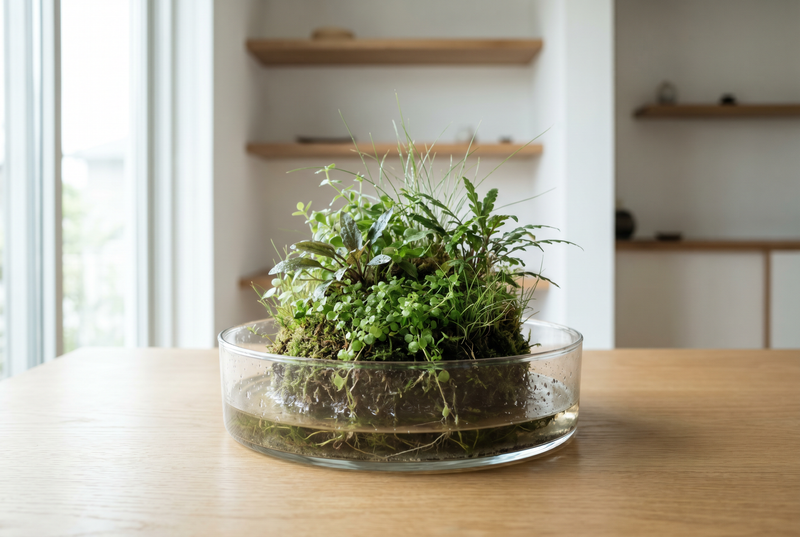
What Is Wabi-Kusa — And How You Can Use It in Your Space
Wabi-Kusa is a simple, living plant form that grows over time. Discover how it works and how you can use it in your space—from bowls to aquariums.

What Is Crawling in My Terrarium?
Tiny worms, mites and flies can suddenly appear in terrarium soil even when you never added them. Learn how to identify these unexpected inhabitants, why their populations grow, which are harmless, and when you actually need to intervene.
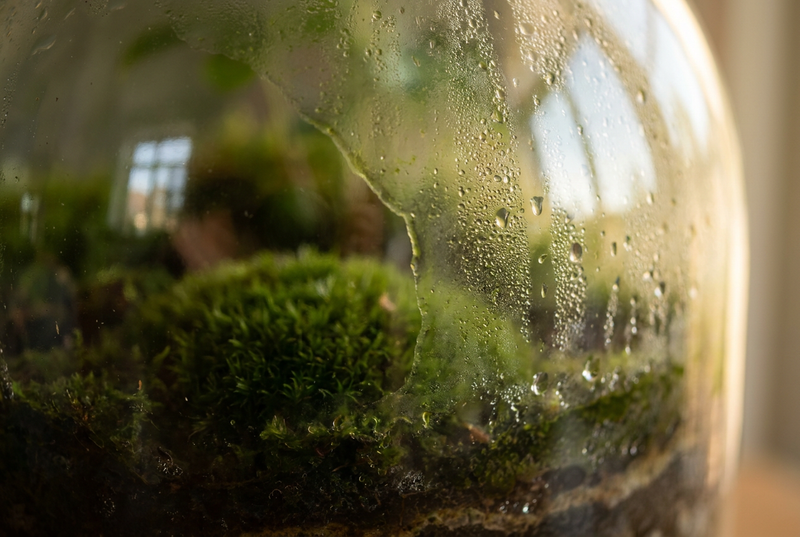
Why Algae Appears on Terrarium Glass
Green algae on terrarium glass is one of the most common issues beginners encounter in closed terrariums. While it usually does not harm your plants directly, it often signals excess light, trapped moisture, stagnant airflow, or nutrient imbalance inside the ecosystem. Understanding why algae appears — and how to stabilize the terrarium environment properly — is the real key to maintaining long-term clarity and balance.
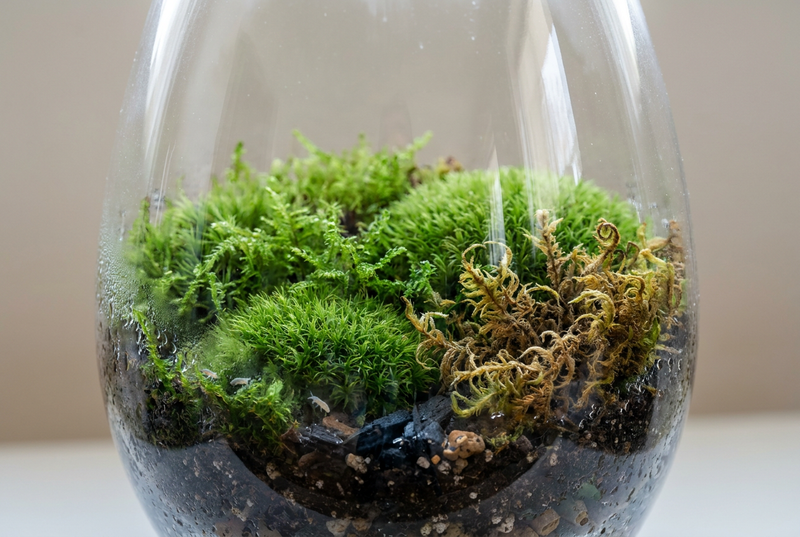
Why Is My Moss Turning Brown? Understanding What Your Closed Terrarium Is Trying To Tell You
Brown moss is one of the most common closed terrarium problems beginners face. It does not always mean the terrarium is too dry. Moss can turn brown because of heat, stagnant moisture, poor airflow, harsh lighting, unsuitable water, or natural decay inside an unbalanced sealed ecosystem.
Continue Your Learning Journey
cosystems are never static — they grow, adapt, and evolve over time. The same applies to learning.
This Knowledge Hub is shaped not just by guides, but by shared experiences, observations, and continuous discovery. As you explore, you’ll find ideas to try, mistakes to avoid, and inspiration to build your own thriving system.
We welcome your thoughts, questions, and experiences — because every setup teaches something new.


